The fundamental science behind a shrink tunnel relies on the molecular structure of thermoplastic films (such as PVC, PET-G, or polyolefin). During the film's manufacturing process, the polymer chains are stretched and oriented. When exposed to specific thermal energy within the tunnel, these chains gain mobility and attempt to revert to their original, relaxed state. The shrink tunnel’s primary function is to deliver this exact thermal threshold uniformly, causing the film to contract and tightly embrace the contours of the underlying product.
Heat Transfer Mechanisms: Air vs. Steam
The operational efficiency of a shrink tunnel depends heavily on its heat transfer medium. There are two primary methods utilized in modern packaging lines:
Forced Convection (Hot Air): These tunnels utilize high-powered fans and electric heating elements to circulate hot air. Advanced hot air tunnels feature directional baffles and adjustable louvers that focus the airflow precisely where it is needed, preventing turbulent air from displacing the loose sleeve before it can shrink.
Steam Technology: For premium applications requiring flawless aesthetics, steam tunnels are often employed. Water vapor transfers heat significantly faster and more evenly than air. This uniform thermal envelopment is particularly effective for complex, multi-contoured packages, ensuring that the film shrinks at an identical rate across all surfaces.
Zoned Architecture and Airflow Dynamics
A critical aspect of how a shrink tunnel works is its multi-zone architecture. Rather than applying a blanket of uniform heat, modern tunnels are divided into independent heating and cooling zones.
The initial zones may apply lower temperatures to gradually warm the film, preventing thermal shock. Middle zones deliver peak heat to activate the primary shrinkage. Finally, integrated cooling zones utilize ambient air or targeted fans to rapidly drop the temperature of the film. This "thermal quenching" is a vital step; it instantly locks the polymer chains in their new, contracted position, ensuring a wrinkle-free finish and preparing the package for immediate downstream handling.
Conveyor Integration and Line Synchronization
The mechanical backbone of the shrink tunnel is its conveyor system. The tunnel must operate in perfect synchronization with upstream applicators and downstream accumulation tables. Conveyors are typically equipped with variable frequency drives (VFDs) that allow operators to precisely adjust the dwell time (the amount of time the product spends inside the heated chamber).
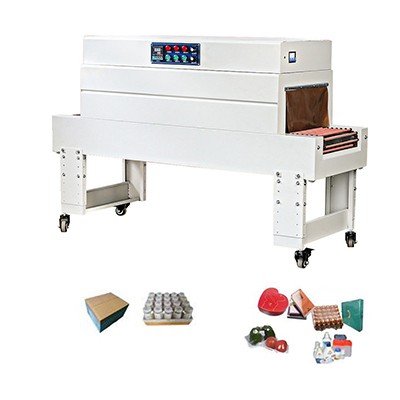
Additionally, the conveyor design itself plays a role in the shrinking process. Roller conveyors allow hot air to reach the bottom of the package, while Teflon mesh belts provide a stable, non-stick surface for smaller or unstable items. By meticulously balancing conveyor speed with thermal output, packaging engineers ensure that every product exiting the shrink tunnel meets the highest standards of visual perfection and structural integrity.
Contact: Wendy
Phone: +86-13482266656
E-mail: wendy.jiang@sr-packing.com
Add: No. 18, Changting Road, Fengxian District, Shanghai, China


 Español
 русский
 Português
 Deutsch
 Français
 Italiano
 Nederlands
 Polski