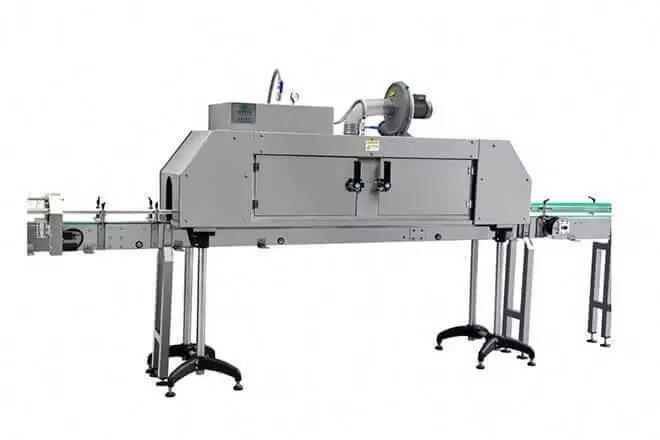
Selecting the optimal heat shrink tunnel machine for bottles is a critical decision that bridges the gap between functional packaging and premium brand presentation. A high-quality shrink tunnel ensures that labels conform perfectly to the contours of the container, providing a tamper-evident seal and a flawless aesthetic. However, navigating the diverse landscape of packaging machinery requires a strategic approach. To make an informed investment, procurement teams must evaluate several technical and operational dimensions.
Evaluating Heating Technology and Uniformity
The core performance of a shrink tunnel is dictated by its heating technology. Buyers must decide between electric and steam heating systems based on their specific production needs. Electric tunnels are versatile and easier to install, making them suitable for a wide range of applications. Conversely, steam tunnels are highly regarded for their ability to deliver uniform 360-degree heat distribution. This even penetration is particularly crucial for achieving smooth, wrinkle-free finishes on complex bottle geometries, such as those with narrow necks, shoulders, or irregular curves, ensuring a premium shelf appearance.
Precision Temperature and Airflow Control
A superior heat shrink tunnel machine for bottles must offer precise and independent control over its heating zones. Advanced machines feature multi-zone temperature regulation and adjustable airflow nozzles. This allows operators to fine-tune the heat exposure for different areas of the bottle, preventing common issues like film burnout, bubbling, or incomplete shrinking at the base. Furthermore, integrated digital interfaces and programmable logic controllers (PLCs) enable the storage of specific recipes, ensuring consistent quality and rapid changeovers when transitioning between different bottle sizes or film thicknesses.
Material Compatibility and Line Integration
The chosen equipment must be fully compatible with the specific shrink sleeve materials being utilized, whether PVC, PET-G, or OPS. Different films have distinct shrink temperatures and thermal tolerances. Additionally, the tunnel must integrate seamlessly with upstream applicators and downstream conveyor systems. Evaluating the machine's conveyor design such as the use of durable stainless steel chains or specialized belts is essential for maintaining stable bottle transport at high speeds without causing tipping or misalignment.
Energy Efficiency and Operational Safety
Modern manufacturing demands sustainable and safe operations. When choosing a good heat shrink tunnel, buyers should prioritize models with superior insulation and optimized airflow designs that minimize heat loss and reduce overall energy consumption. Safety is equally paramount. High-quality tunnels are equipped with comprehensive safety features, including automatic drainage systems, thermal overload protection, and emergency stop mechanisms. Ensuring that the machine complies with international safety and hygiene standards is vital for protecting operators and maintaining a compliant production environment.
Contact: Wendy
Phone: +86-13482266656
E-mail: wendy.jiang@sr-packing.com
Add: No. 18, Changting Road, Fengxian District, Shanghai, China


 Español
 русский
 Português
 Deutsch
 Français
 Italiano
 Nederlands
 Polski