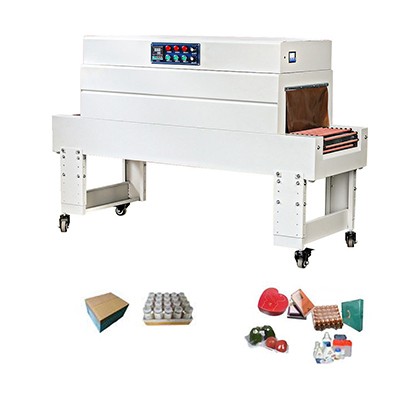
As packaging operations become more automated and product presentation grows increasingly important, shrink tunnels have become a critical component of many production lines. Used in conjunction with shrink sleeve labels and protective packaging applications, these systems help ensure products achieve a professional and consistent appearance before reaching the market.
However, selecting a shrink tunnel is not simply a matter of adding another machine to a packaging line. Buyers must evaluate several operational and technical factors to ensure the equipment aligns with current production requirements and future business goals.
Understanding Production Requirements First
One of the most common purchasing mistakes is focusing on equipment specifications before fully understanding production needs. Every packaging facility operates under different conditions, including varying production speeds, container types, and packaging materials.
Before investing in a shrink tunnel, buyers should evaluate expected output volumes, product dimensions, and production schedules. Equipment that matches actual operational requirements is more likely to deliver stable long-term performance and support efficient workflows.
A clear understanding of production objectives provides the foundation for successful equipment selection.
Container Design Influences Equipment Performance
Modern packaging is increasingly diverse, with manufacturers using bottles and containers in a wide range of shapes and sizes. While attractive packaging helps products stand out, it also creates additional challenges during the shrinking process.
Buyers should consider how the shrink tunnel will perform with different container profiles, including cylindrical, tapered, and uniquely shaped designs. Equipment capable of handling multiple packaging formats can provide greater flexibility as product portfolios expand.
Selecting equipment that supports future packaging changes can help reduce upgrade requirements later.
Consistency Matters More Than Maximum Speed
Many purchasing decisions focus heavily on production speed. While throughput is important, consistent shrink quality is often a more valuable indicator of long-term performance.
Uneven shrinking can affect product appearance, create packaging waste, and increase quality control challenges. Buyers should prioritize systems capable of delivering stable results throughout continuous production cycles rather than focusing solely on peak operating speeds.
Reliable packaging consistency supports stronger brand presentation and improved operational efficiency.
Energy Efficiency Impacts Long-Term Operations
Energy consumption has become an important consideration in manufacturing facilities worldwide. Packaging equipment that operates efficiently can contribute to lower operational costs and support sustainability objectives.
When evaluating shrink tunnel options, buyers should consider thermal efficiency, heat management capabilities, and overall energy utilization. Efficient systems can help maintain stable performance while supporting responsible resource management.
As environmental considerations continue to influence industrial operations, energy efficiency is becoming an increasingly important purchasing factor.
Integration with Existing Packaging Lines
A shrink tunnel does not operate independently. It must function effectively alongside label applicators, conveyors, filling systems, inspection equipment, and final packaging stations.
Buyers should assess how well a shrink tunnel can integrate into their existing production environment. Smooth equipment integration helps reduce installation challenges and improves overall workflow coordination.
Packaging lines that operate as a unified system typically achieve higher productivity and better production consistency.
Planning for Future Growth
Many businesses purchase equipment based only on current production demands. However, production requirements often change as companies introduce new products, enter additional markets, or increase manufacturing capacity.
Choosing equipment with sufficient flexibility and scalability can help support future expansion without requiring significant operational changes. Forward-looking investment decisions often provide greater long-term value than solutions designed only for immediate needs.
Growth planning has become a key element of successful packaging equipment procurement.
Contact: Wendy
Phone: +86-13482266656
E-mail: wendy.jiang@sr-packing.com
Add: No. 18, Changting Road, Fengxian District, Shanghai, China


 Español
 русский
 Português
 Deutsch
 Français
 Italiano
 Nederlands
 Polski