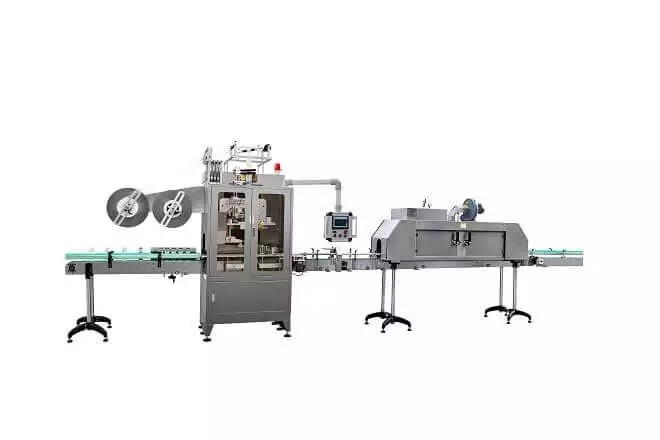
The shrink sleeve labeling machine market is undergoing a transformative phase, propelled by shifting consumer preferences, sustainability mandates, and the need for high impact product presentation. Across industries from carbonated soft drinks and craft spirits to pharmaceuticals and cosmetics brands are turning to full body shrink sleeves as a dynamic packaging solution that combines aesthetics, functionality, and security.
Unlike conventional labeling methods, shrink sleeves offer 360 degree design real estate, enabling immersive storytelling and enhanced brand recognition on retail shelves. This visual advantage, coupled with features like tamper evidence and resealability, has intensified demand for reliable, high throughput shrink sleeve labeling machines capable of seamless integration into modern production environments.
Recent market developments highlight a clear pivot toward automation and flexibility. Next generation machines now support quick format changes, accommodate irregular container shapes, and operate with precision at speeds exceeding 400 bottles per minute. Advanced servo control systems, AI assisted vision inspection, and modular designs allow packagers to maintain efficiency while reducing downtime critical in an era of shorter product life cycles and frequent SKU proliferation.
Sustainability is another key driver reshaping equipment requirements. As regulators and consumers push for recyclable and mono material packaging, labeling machinery must adapt to new film types such as PET, PLA, and bio based shrink films. Machines with optimized heat tunnel profiles and precise temperature zoning ensure consistent shrink performance without degrading eco friendly materials balancing environmental goals with operational excellence.
Geographically, emerging markets in Southeast Asia, Latin America, and Africa are becoming hotspots for market growth, fueled by rising disposable incomes, urbanization, and local beverage manufacturing expansion. Meanwhile, mature markets in North America and Europe focus on retrofitting legacy lines with smart, data connected labeling systems that support predictive maintenance and OEE (Overall Equipment Effectiveness) tracking.
Despite robust growth prospects, challenges remain including the complexity of film handling, energy consumption during the shrinking process, and the need for operator training. However, ongoing R&D in cold shrink alternatives, hybrid labeling solutions, and digital twin enabled commissioning is steadily addressing these barriers.
As the shrink sleeve labeling machine market evolves, its trajectory will be defined not just by speed and accuracy, but by adaptability to circular economy principles, digital integration, and the ever changing canvas of consumer packaging expectations. For businesses investing in labeling infrastructure, aligning with these trends ensures long term competitiveness in a visually driven global marketplace.
Contact: Wendy
Phone: +86-13482266656
E-mail: wendy.jiang@sr-packing.com
Add: No. 18, Changting Road, Fengxian District, Shanghai, China


 Español
 русский
 Português
 Deutsch
 Français
 Italiano
 Nederlands
 Polski