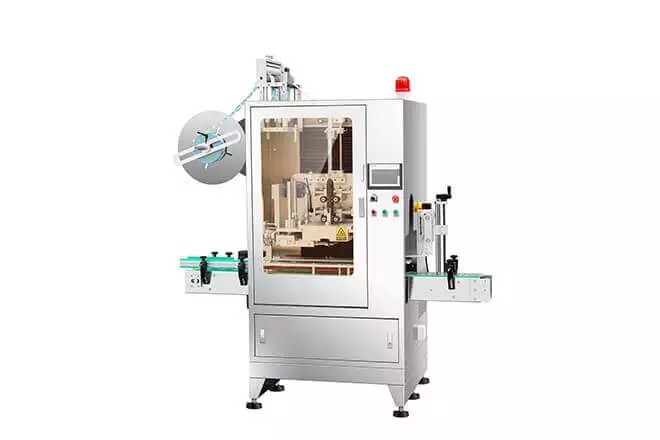
Amid rising competition and evolving consumer preferences, the beverage sector is embracing shrink sleeve machines for cans as a powerful tool to elevate brand identity, improve sustainability profiles, and streamline production flexibility. Unlike conventional labeling techniques, shrink sleeves offer a complete visual overhaul of standard aluminum cans transforming them into premium, eye-catching products without altering the underlying container.
One of the key drivers behind this shift is the growing popularity of short-run and co-branded campaigns. With digital marketing moving faster than ever, brands need packaging that can keep pace. Modern shrink sleeve machines for cans now support rapid job changeovers and variable-data-ready workflows, enabling everything from regional promotions to influencer collaborations all on the same production line.
Another critical factor is tactile and visual differentiation. While printed cans are limited by color separations and fixed plate costs, shrink sleeves allow for photorealistic imagery, matte/gloss contrasts, embossed effects, and even transparent windows that showcase the product inside. This level of design freedom is especially valuable in emerging categories like functional beverages, hard seltzers, and plant-based drinks, where first impressions heavily influence purchase decisions.
Technological refinements in application systems have also addressed past concerns about efficiency and reliability. Today’s machines feature precision servo-controlled feeders, non-contact film handling, and adaptive tension control minimizing jams and ensuring consistent placement even at speeds exceeding 300 cans per minute. Integrated thermal management further prevents overheating of carbonated or temperature-sensitive contents during the shrinking phase.
On the sustainability front, recyclability remains top of mind. Industry coalitions are advancing standardized guidelines for sleeve materials that align with existing aluminum recycling infrastructure. In parallel, equipment innovations such as reduced-film-path designs and scrap-recovery mechanisms are helping reduce material consumption by up to 15% compared to earlier generations.
Finally, regulatory compliance is smoother with full-body sleeves. Mandatory labeling elements (ingredients, nutrition facts, barcodes) can be rotated or resized without redesigning the entire can, simplifying adaptation across international markets.
As the line between packaging and marketing continues to blur, shrink sleeve machines for cans are proving indispensable not just for aesthetics, but for agility, compliance, and environmental responsibility in a rapidly changing beverage landscape.
Contact: Wendy
Phone: +86-13482266656
E-mail: wendy.jiang@sr-packing.com
Add: No. 18, Changting Road, Fengxian District, Shanghai, China


 Español
 русский
 Português
 Deutsch
 Français
 Italiano
 Nederlands
 Polski