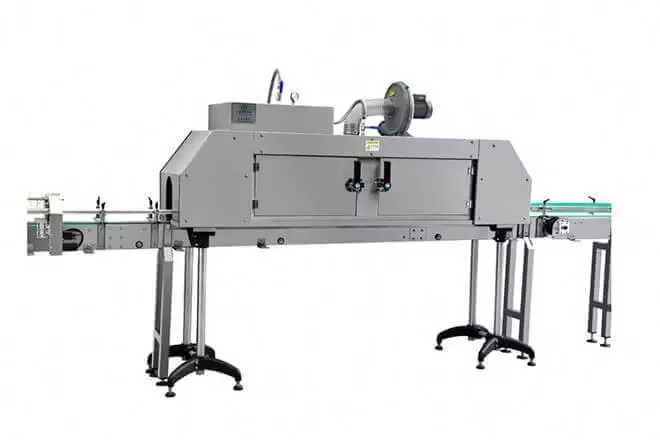
In modern high speed packaging environments, the shrink sleeve application process is only as effective as its ability to communicate and synchronize with surrounding equipment. A steam tunnel designed for seamless line integration serves as a critical nexus in this workflow, ensuring that thermal processing occurs without disrupting the upstream or downstream cadence of the production facility. Achieving this level of harmony requires meticulous mechanical design, intelligent control systems, and ergonomic considerations that prioritize continuous flow over isolated station performance.
Intelligent Conveyor Synchronization
Seamless integration begins with the physical transport mechanism bridging the filler, labeler, and secondary packager. Modern steam tunnels are equipped with variable frequency drives (VFDs) and advanced PLC architectures that constantly monitor the speed of adjacent machinery. If a downstream palletizer experiences a micro stoppage, the integrated steam tunnel instantly detects the accumulation zone and adjusts its conveyor speed proportionally. This dynamic buffering prevents bottle tipping, eliminates back pressure on the sleeve labeling machine, and ensures that containers move through the heating chamber at a consistent velocity, which is vital for uniform shrinkage.
Ergonomic Access and Maintenance Efficiency
A truly integrated system must also accommodate the human element without causing bottlenecks. Packaging lines require frequent changeovers, film roll replacements, and routine cleaning. Steam tunnels engineered for seamless integration feature tool less access panels, hinged side covers, and slide out water trays that allow operators to perform maintenance without halting the entire line. Furthermore, modular construction allows the tunnel to be easily repositioned or expanded if future production upgrades require additional heating zones. This user centric design minimizes unplanned downtime and keeps the overall line efficiency (OEE) at peak levels.
Centralized Data Connectivity and Recipe Management
Integration extends beyond physical movement into the digital realm of factory automation. Contemporary steam tunnels act as active nodes within a plant’s Manufacturing Execution System (MES). Through standard industrial communication protocols, they transmit real-time data regarding steam consumption, internal chamber temperatures, and throughput rates directly to central monitoring dashboards. When switching between different container sizes or film types, recipe parameters can be pushed digitally to the tunnel’s control panel. This automated synchronization eliminates manual adjustments, drastically reducing setup times and preventing operator errors that could lead to misshapen labels or melted sleeves.
Optimized Exhaust and Environmental Control
The introduction of a high temperature steam tunnel into an enclosed packaging line can create localized environmental challenges, such as condensation buildup or heat radiation affecting nearby sensitive electronics. Seamless integration requires the inclusion of dedicated exhaust extraction systems that actively pull excess vapor away from the production floor. By managing the micro climate around the tunnel, manufacturers prevent moisture from migrating to upstream label applicators or downstream cartoners. This holistic approach to environmental control ensures that the thermal processing stage remains entirely self contained, preserving the integrity and reliability of the broader packaging ecosystem.
Contact: Wendy
Phone: +86-13482266656
E-mail: wendy.jiang@sr-packing.com
Add: No. 18, Changting Road, Fengxian District, Shanghai, China


 Español
 русский
 Português
 Deutsch
 Français
 Italiano
 Nederlands
 Polski